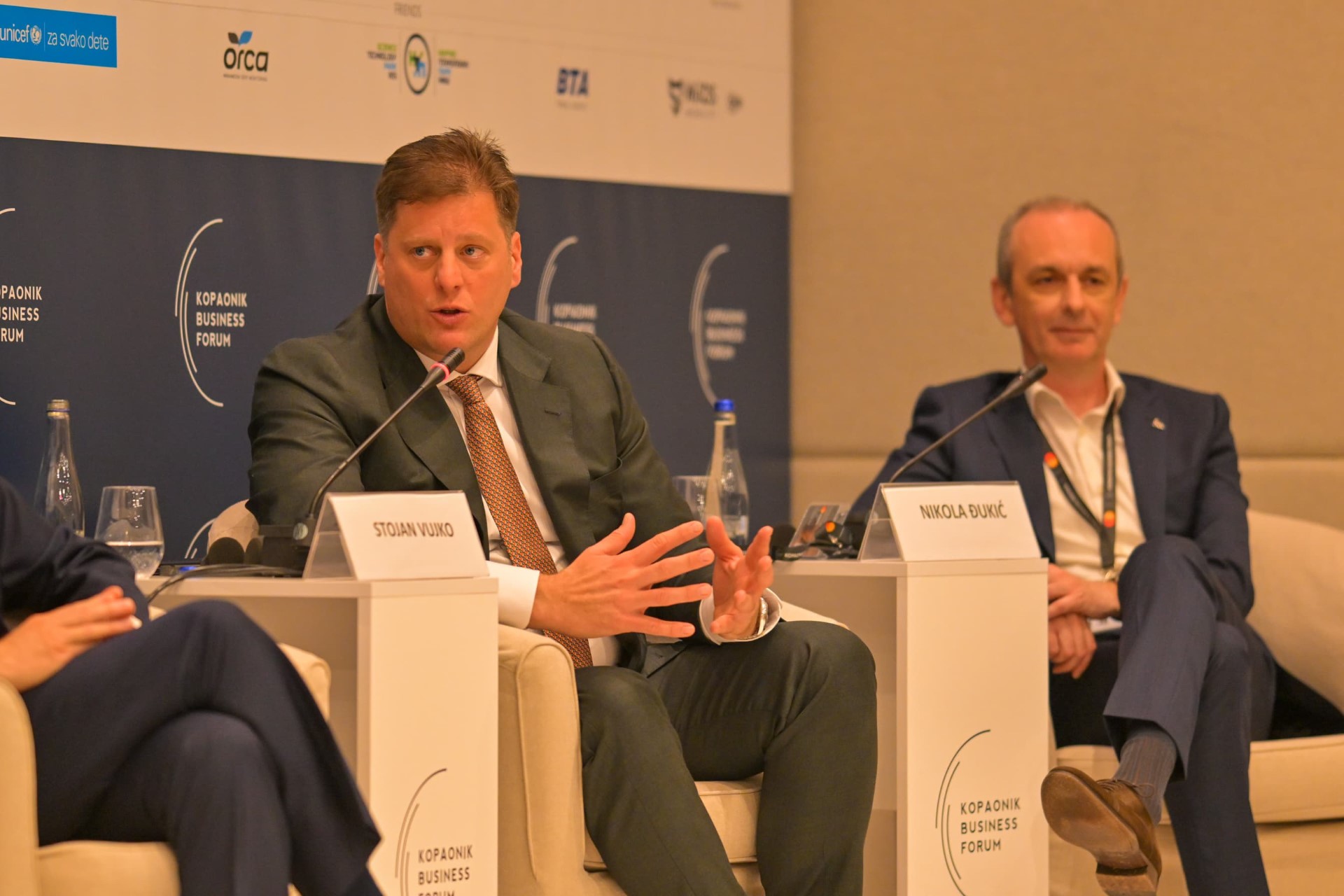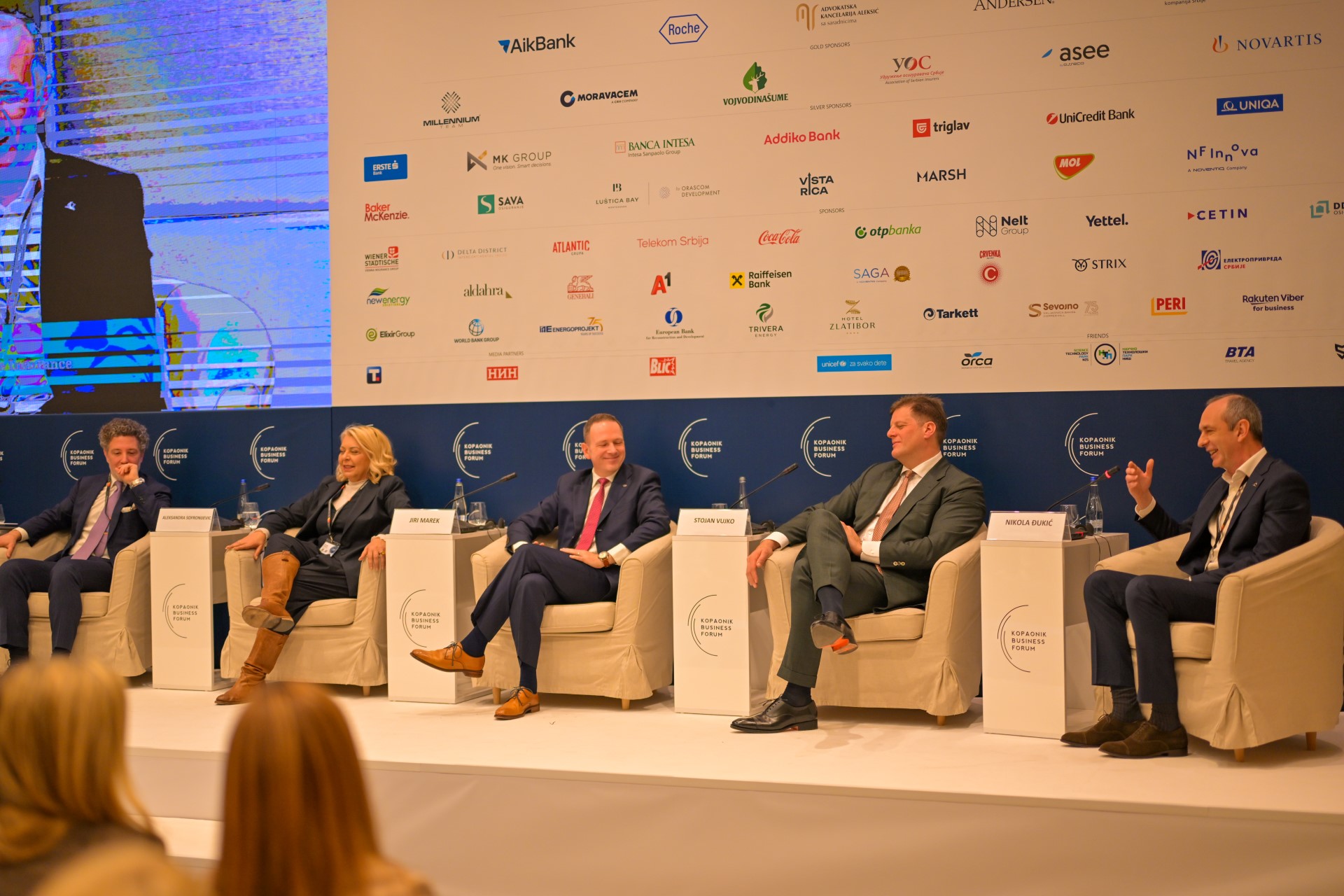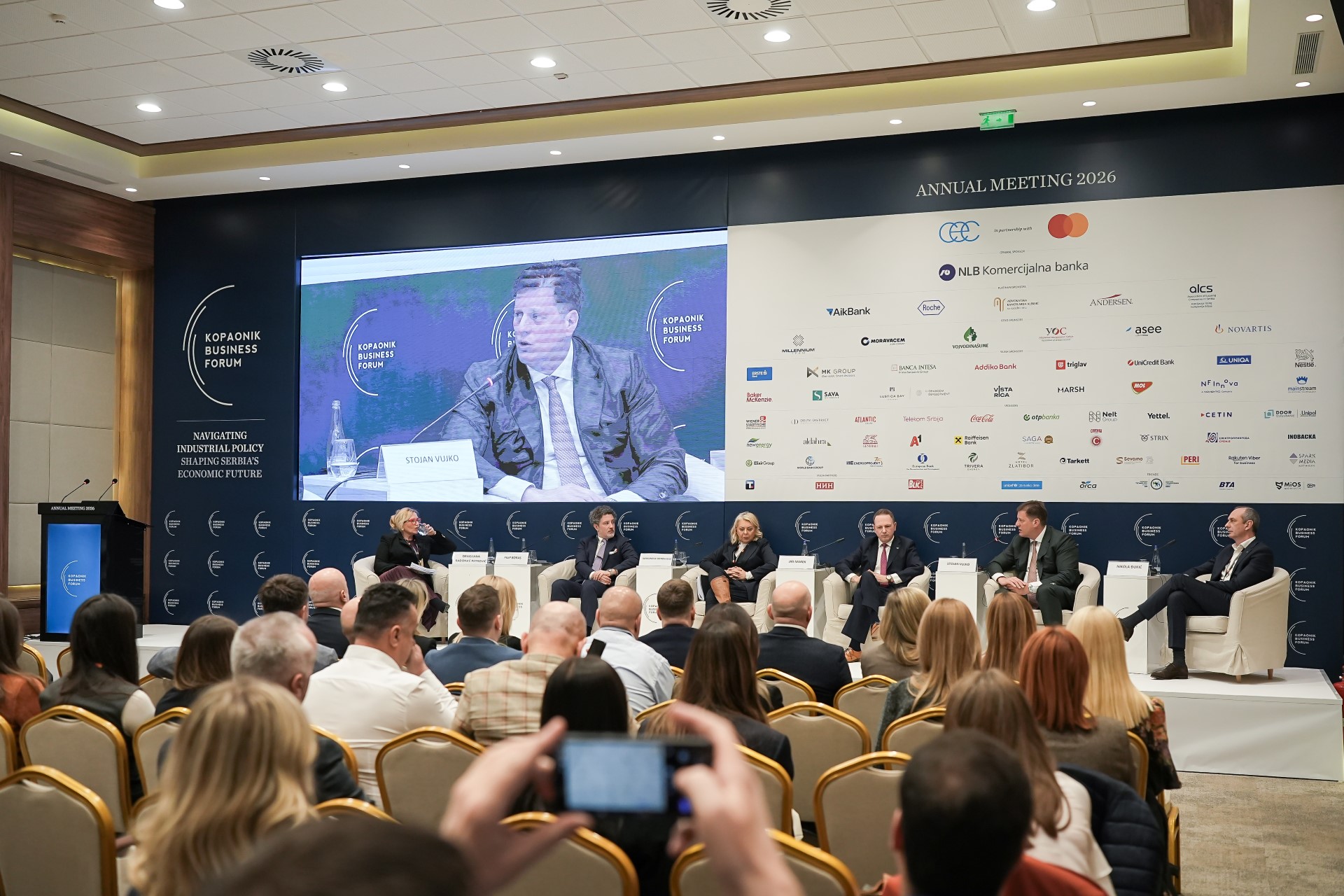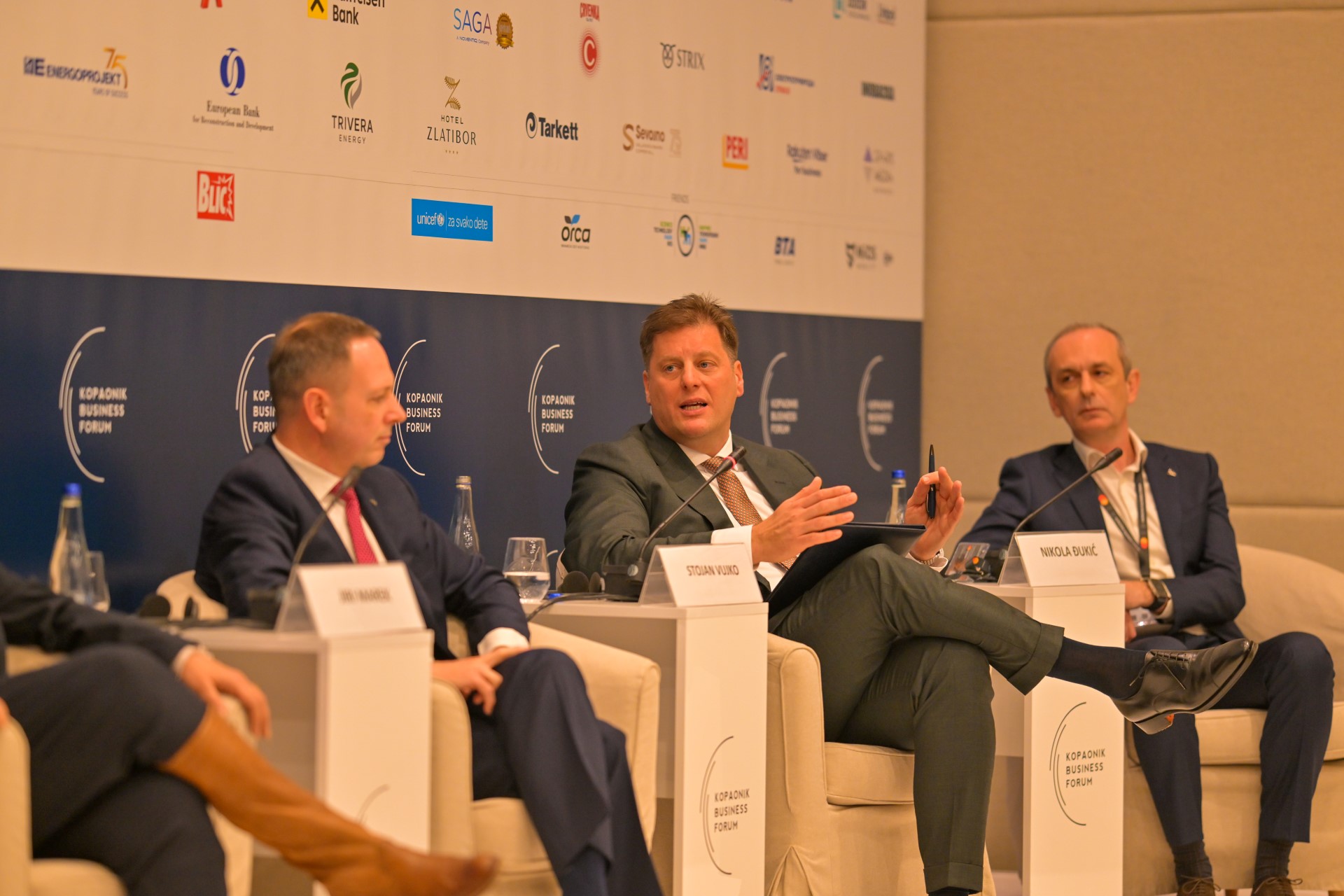
“The Belgrade Metro represents one of the most complex and ambitious construction projects in Serbia,” emphasized Stojan Vujko, CEO of Millennium Team, at the panel “Infrastructure and Connectivity: Foundation of Sustainable Growth” held within the framework of the Kopaonik Business Forum.
As he pointed out, the metro project has a pioneering character and will shape the long-term development of transport infrastructure and urban mobility in Belgrade.
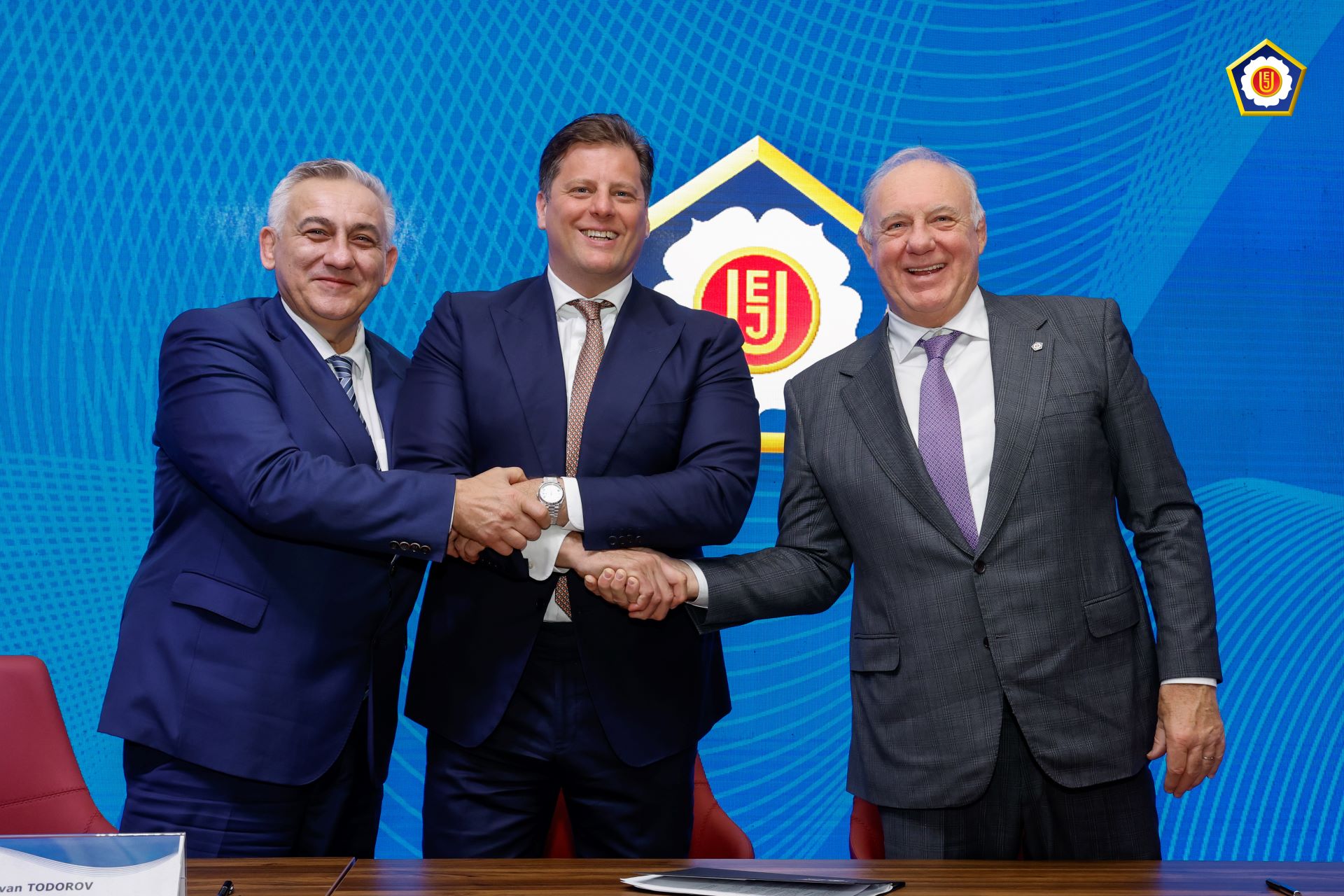
The Millennium Team Group is involved in all key phases of the project, from design to construction. The Jaroslav Černi Institute for the Development of Water Resources, a member of the Group, is participating in the implementation of the first phase of the first metro line, on the section from Železnik to Pančevo Bridge, where it is conducting comprehensive investigative works.
“Works will begin in Bele Vode, where the route descends underground, after which the TBM machine, popularly known as the ‘mole’, owned by the Millennium Team Group, will begin operations. At the same time, another TBM machine of the company Power China will start excavation in Karaburma, and the two machines will meet near the Belgrade Fair,” explained Vujko.
As he stated, the TBM machine is an extremely complex system, approximately 200 meters long, with a daily construction progress of about ten meters.
The consortium Millennium Team – Mostogradnja ING is the main contractor for works on the section from Železnik to the Belgrade Fair, while the other part of the route is being implemented by PowerChina, with the partners being equal participants in the execution of the works.
“We have the knowledge and technical readiness. The Jaroslav Černi Institute for the Development of Water Resources is the only institution in the region with the capacity to design such a system, and Millennium Team is the only company with the capacity to execute such complex works. Projects of this scale are not where we learn – they are where we further refine our expertise. Today, our engineers are ready to build a metro anywhere in the world, and they are the only ones in the country with references for it,” Vujko emphasized, adding that the Millennium Team Group employs more than 2,500 people, including 500 engineers and 20 PhDs. He concluded that cooperation between the state, science, and industry is essential for progress.
Referring to the Expo 2027 project, Vujko stated that construction works on the complex near Surčin are progressing according to the planned schedule and within the set deadlines. The location near Surčin is currently the largest construction site in the country, and the project requires the coordination of a large number of domestic and international contractors.
“About 4,000 people work on the site every day in three shifts. More than 50,000 tons of steel have been installed so far. The complex covers 240 hectares, and by the end of the project around ten million tons of various materials will be used, from sand and gravel to steel. Everything there resembles a beehive – but a beehive in perfect order. It reminds me of photographs from the 1950s, when New Belgrade was being built. In the same way, a new city is now rising here,” said Vujko.
Projects such as the metro and Expo are important not only because of the scale of investments, but also because of the reputation of the country and the domestic construction industry, emphasized the CEO of the company:
“These are references that confirm our capacity and open a window to the world for our construction industry, creating opportunities for new and even more demanding projects.”
Stojan Vujko concluded that the significant growth of the construction industry in Serbia has been enabled thanks to the state’s planning and investments:
“The construction industry is one of the key drivers of growth of the Serbian economy. We are currently in the largest investment cycle in the past half century. This is precisely the result of long-term planning, as the state not only invests, but also provides predictability, which is a prerequisite for large construction companies to implement major projects. One such project is the Belgrade Metro.”
At the panel moderated by Dragijana Radonjić Petrović, Vice President of the Serbian Association of Economists, the participants also included Filip Boras, Partner at Baker McKenzie, Nikola Đukić, Chairman of the Executive Board of UNIQA non-life insurance, Jiří Marek, CEO of Air Serbia and Aleksandra Sofronijević, Minister of Construction, Transport, and Infrastructure.