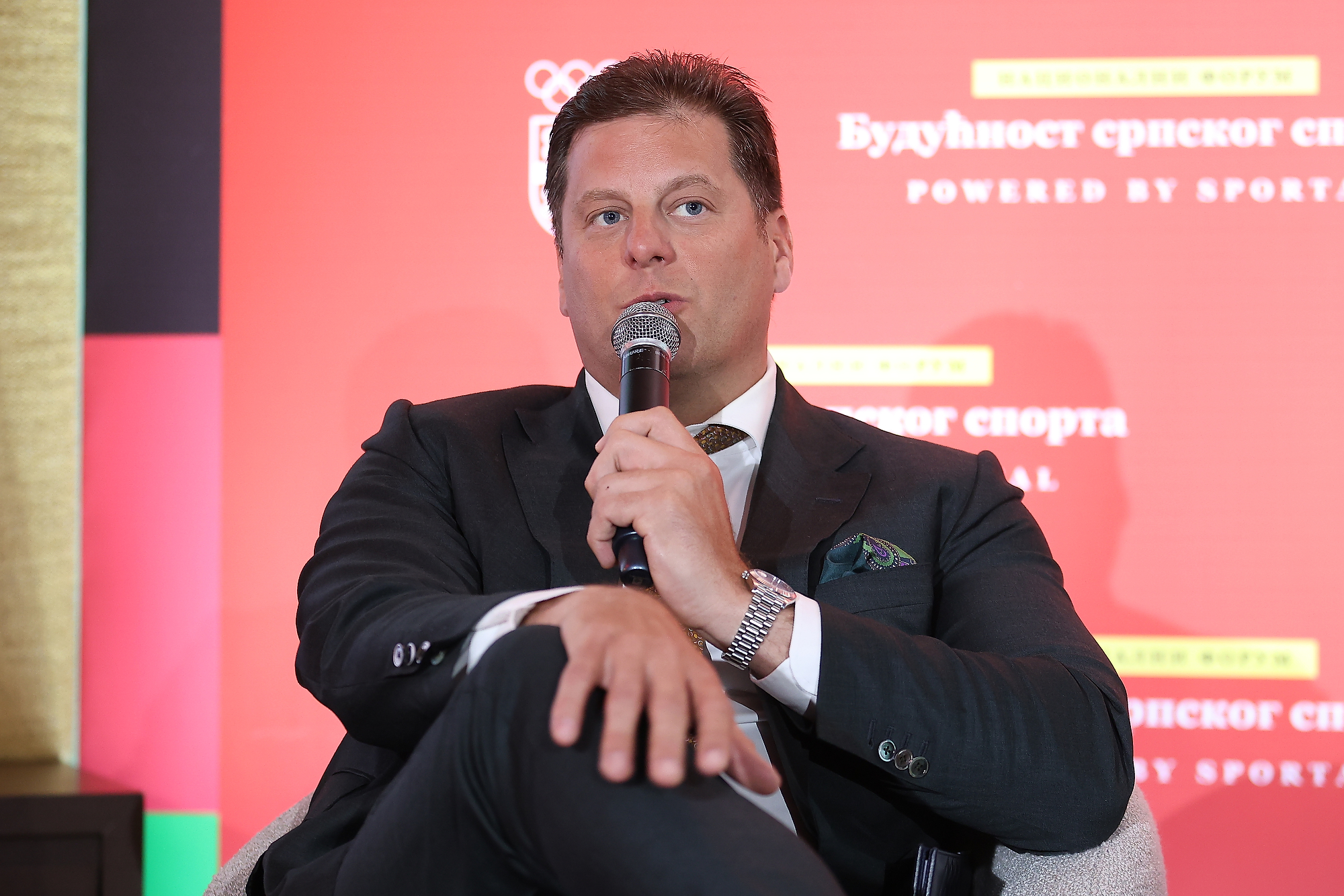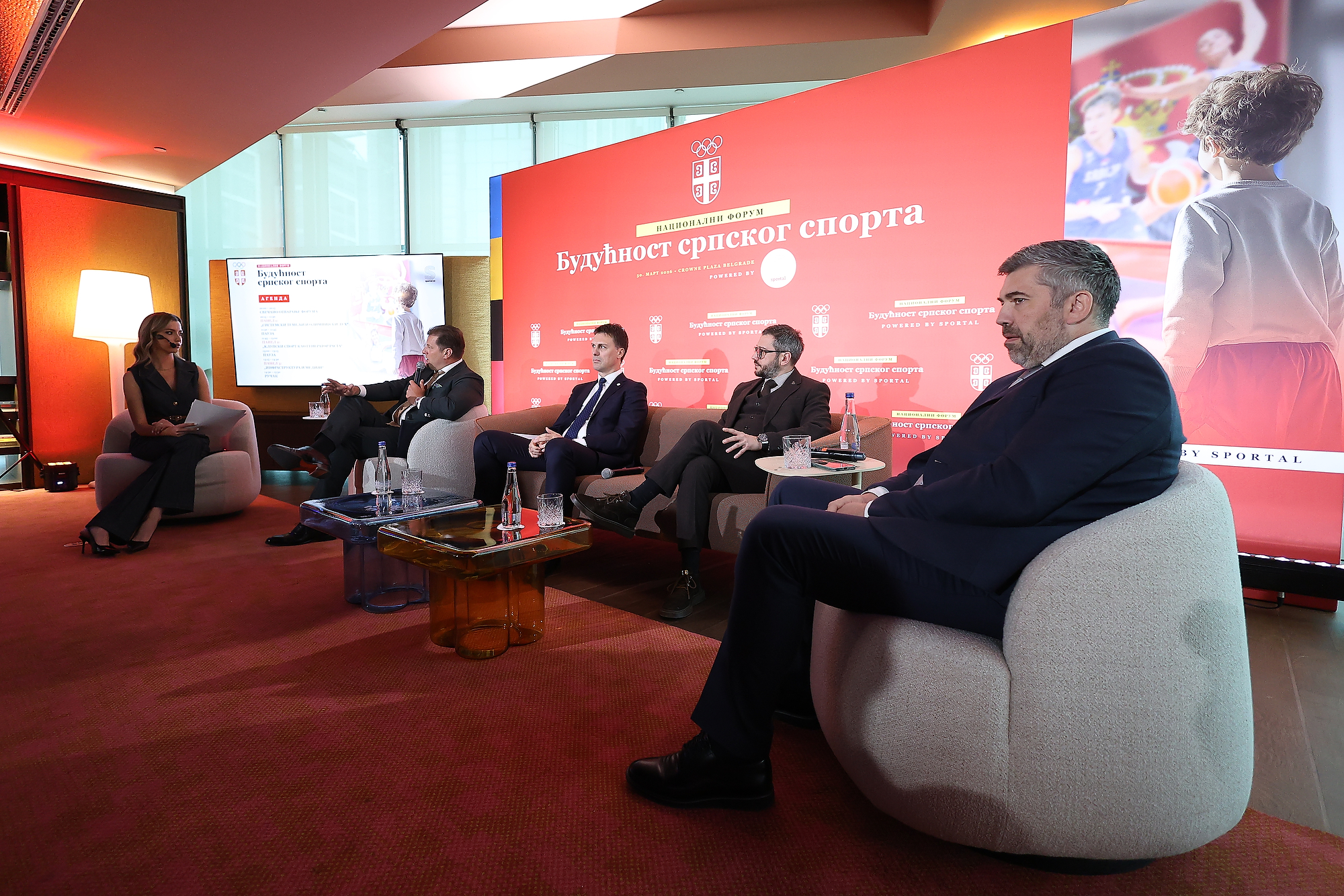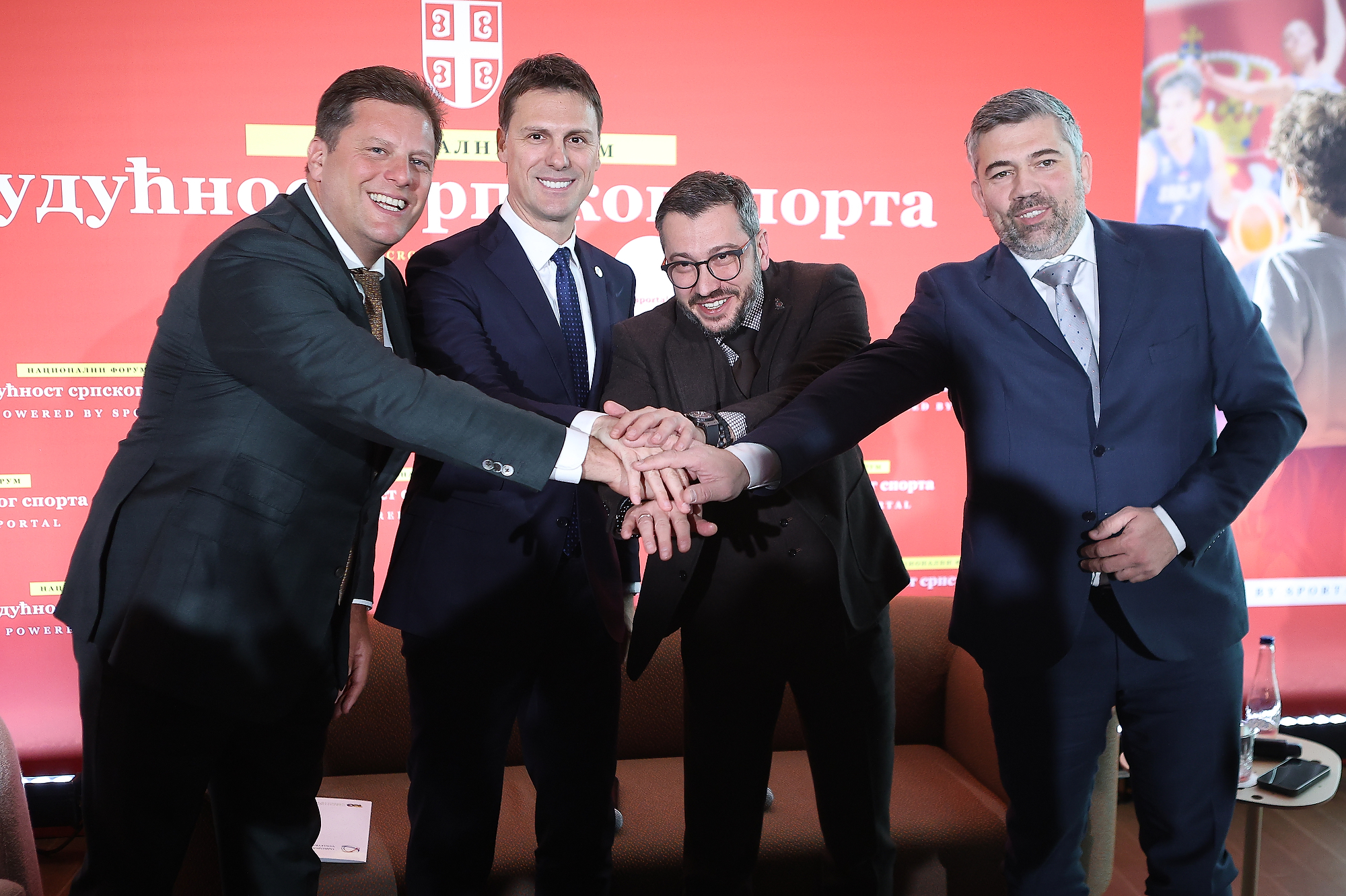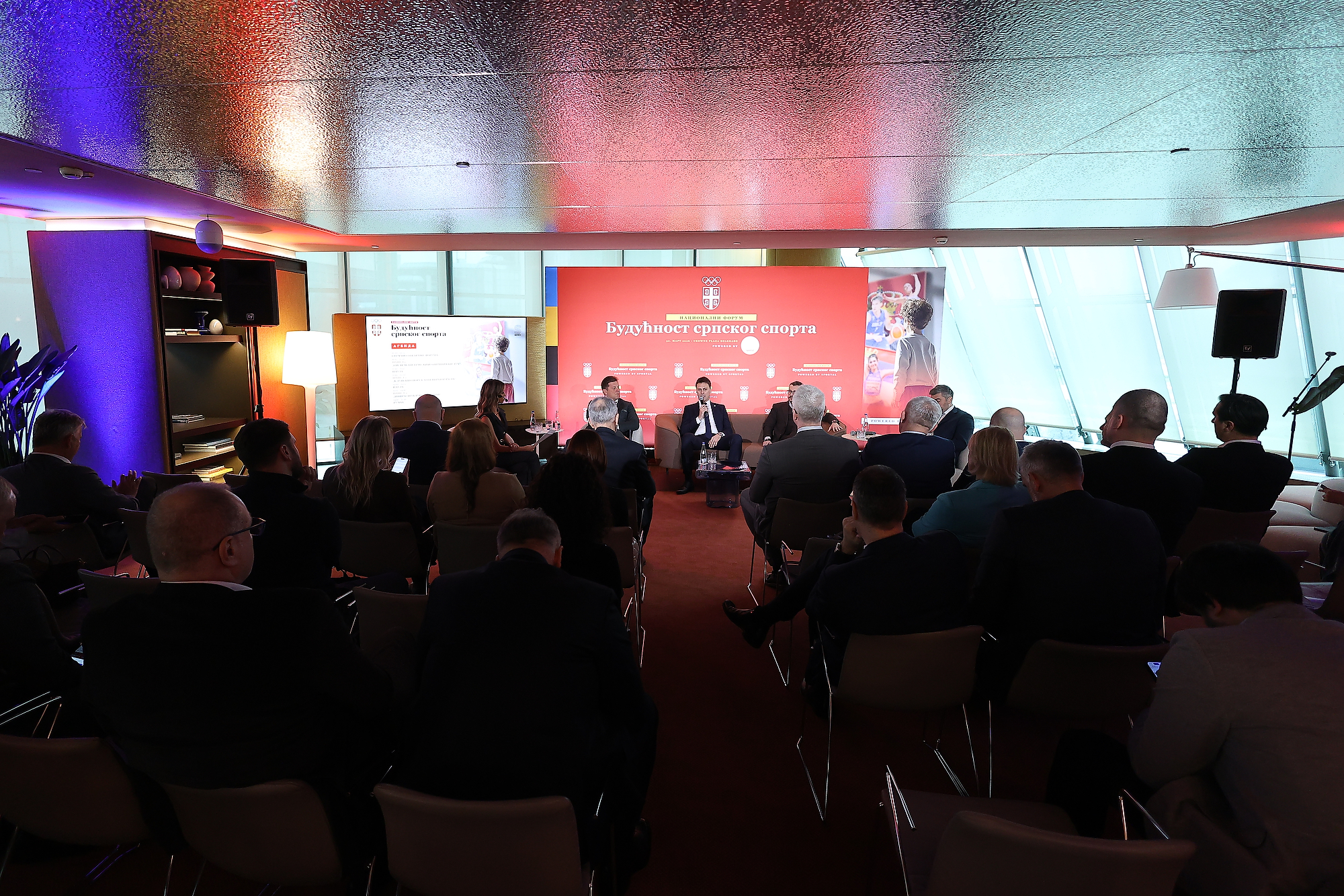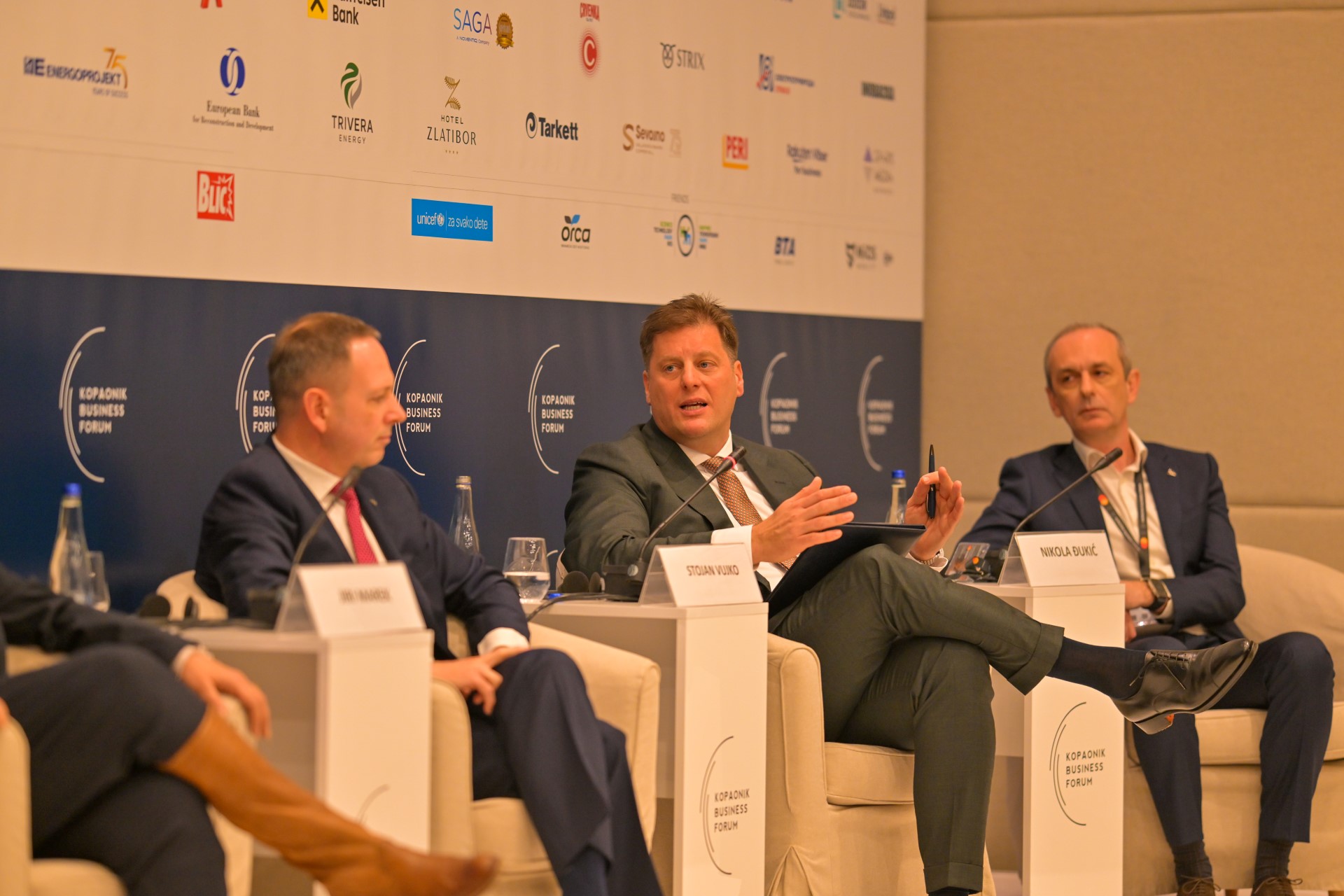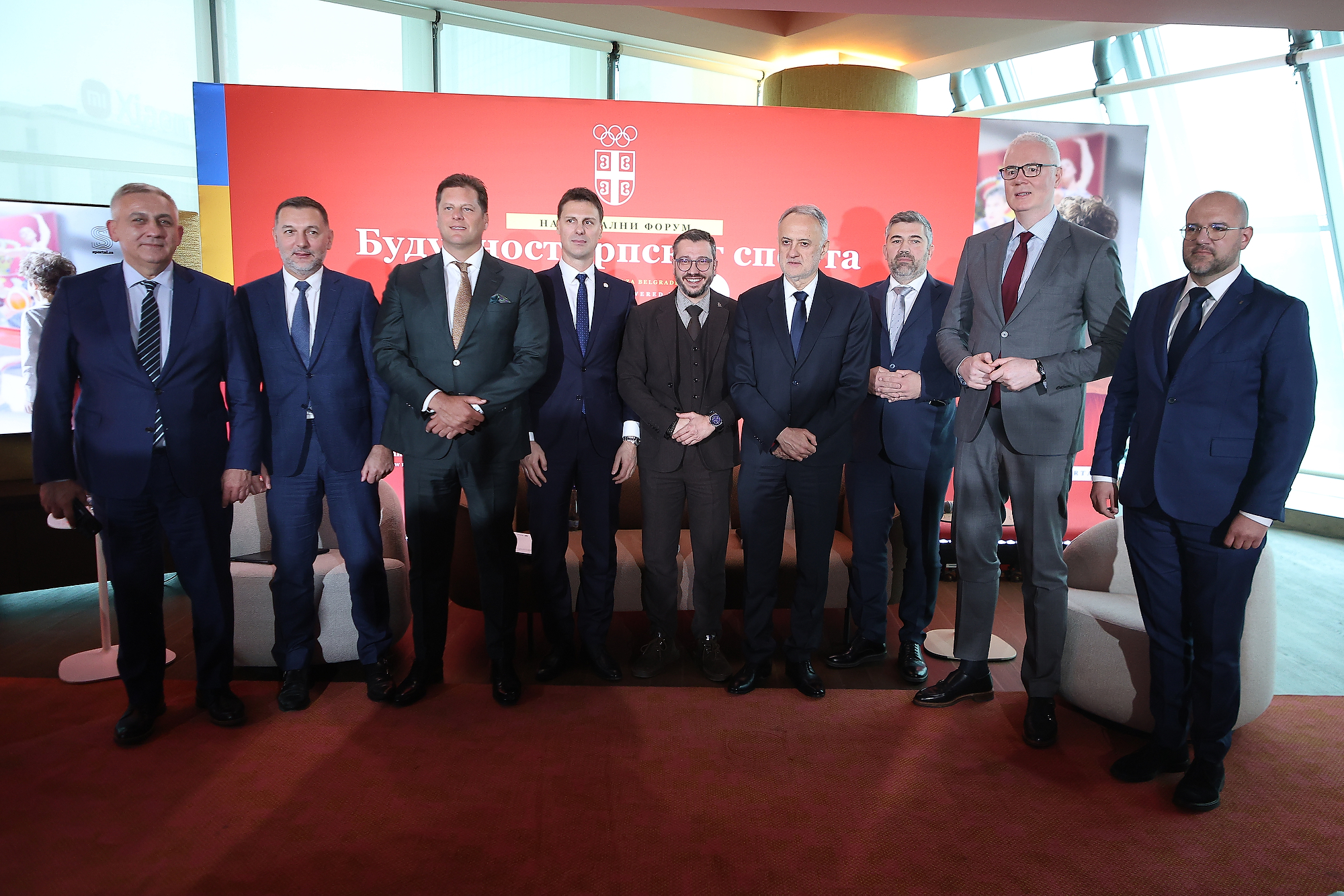
“The National Stadium in Surčin is the largest sports infrastructure project ever built in Serbia. It will make a significant contribution to Serbian sport and sports tourism,” said Stojan Vujko, while participating in the panel “Infrastructure and Media.” The panel was held as part of the National Forum “Future of Serbian Sport,” organized by the Olympic Committee of Serbia and the sports portal Sportal.
“Serbia has been in a record investment cycle in infrastructure for over a decade, which also includes the construction of a substantial number of sports facilities. Thanks to significant investments, the National Volleyball Training Center, the Martial Arts Training Center in Košutnjak, the ‘Radnički’ Sports Association facility in Belgrade, as well as four major stadiums across Serbia have been completed or are currently under construction. Millennium Team is proud to be working on a flagship project such as the National Stadium in Surčin,” said Vujko, who also serves as Vice President of the Executive Board of the Olympic Committee of Serbia.
He stated that once completed, the new stadium will be 55 meters high, with a total area of 78,000 m², eight levels, and a capacity of approximately 52,000 spectators. Its construction, he added, involves a complex structure supported by 1,200 piles. A notable feature is that the volume of concrete installed below ground is equal to the volume above ground.
Construction works on the National Stadium is progressing according to plan and in line with the projected timeline.
“This facility can also serve as a good example of efficient future operational maintenance. The new stadium is being built using the Building Information Modeling (BIM) system, which provides not only accurate construction cost and cost optimization, but also a concept that enables maintenance cost control and timely planning. Thanks to this system, for example, it is possible to precisely predict how much the replacement of lighting at the National Stadium will cost in 2035,” said Vujko.
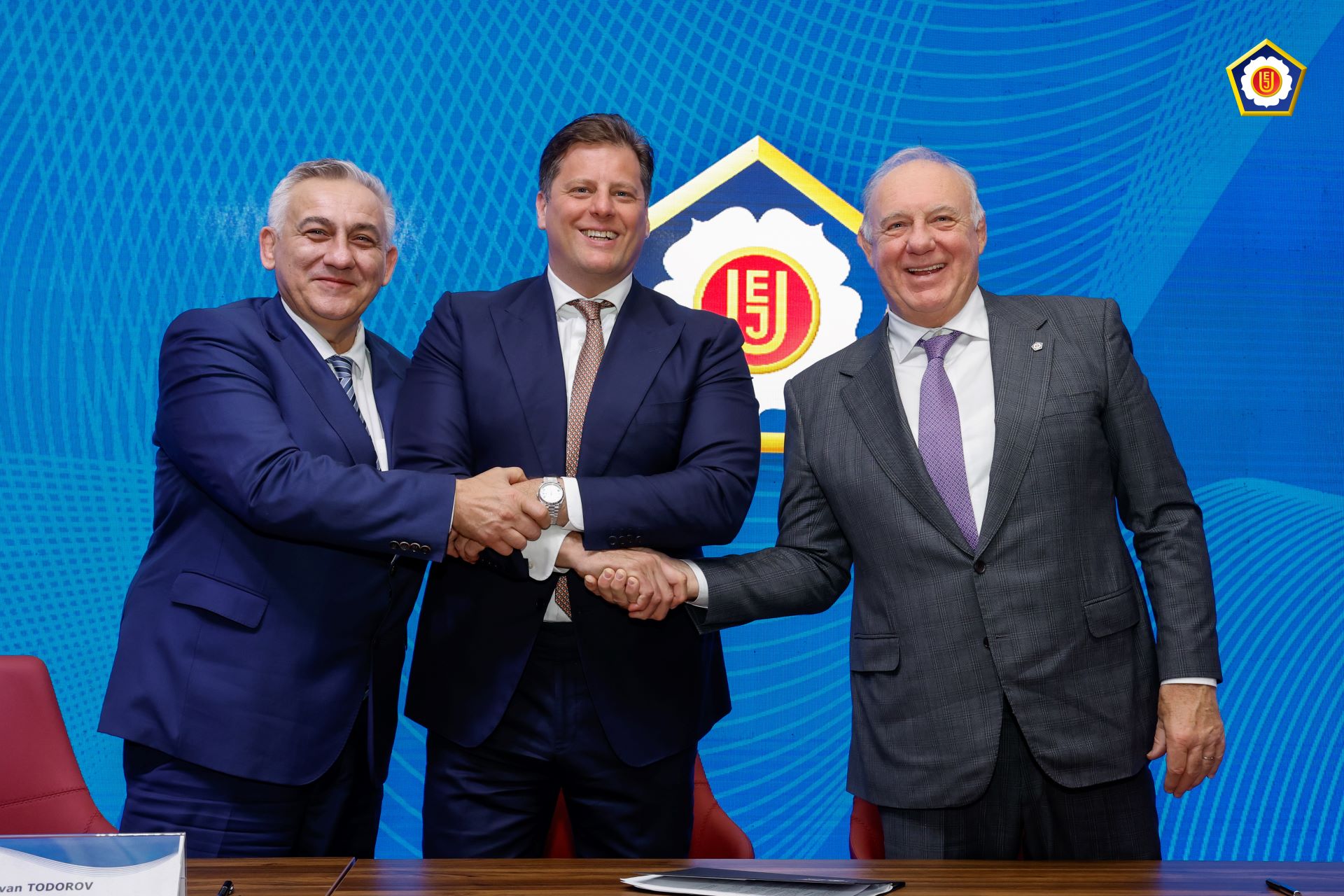
He emphasized that Serbia is a sports nation and that it is important for sport to have the support of both the state and private companies. He called on the private sector to engage more actively in building partnerships with sports federations and clubs. He also noted that Millennium Team supports clubs in 10 different sports, is the general sponsor of the Red Star Judo Club, and a partner of the European Judo Union.
Vujko recalled that the Olympic Committee of Serbia holds the highest authority in the world of sport and can serve as an excellent bridge between sport and the economy.
“At the Olympic Games, there are no big or small sports, and every medal winner earns the status of a lifelong champion and ambassador of sport and their country. The Olympic Committee of Serbia is currently working on the Los Angeles 2028 project. We expect our athletes to win more medals than at the previous Games. It will be a good opportunity to promote sports that receive less media attention,” said Vujko.
According to the CEO of Millennium Team, sport in Serbia is in good shape, but it should certainly be further supported through the construction of new sports facilities, as well as the maintenance of around 7,000 existing ones. Based on experience from the judo federation, he also pointed out that Serbia needs smaller-capacity venues for training and competitions in sports that are not always in the media spotlight.